
.png)

Want to close more deals, faster?
Get Pod!
Fill the form and book your demo today.
Thank you for subscribing!
Oops! Something went wrong. Please refresh the page & try again.

Stay looped in about sales tips, tech, and enablement that help sellers convert more and become top performers.
Your champion can’t save you anymore. The average enterprise deal now involves 6 to 10 stakeholders. That means your champion, no matter how enthusiastic, cannot carry the deal alone. Decisions are made collectively, often asynchronously, and influenced by people you may never meet directly.
If you are still selling as if one strong internal advocate is enough, you are leaving deals exposed. Winning today requires understanding, influencing, and aligning an entire group. The reps who do this well are not just great communicators. They are orchestrators.
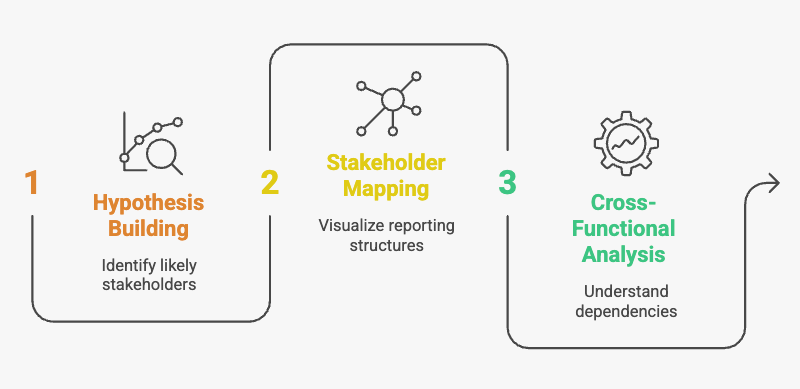
Most reps start discovery with whoever shows up. Top performers start earlier.
Before your first call, build a hypothesis of the buying committee. Use LinkedIn, company org charts, and insights from past deals to identify likely stakeholders. Look for titles, reporting structures, and cross-functional dependencies.
This early map will not be perfect, but it gives you direction. Instead of reacting to the room, you start shaping it.
Even strong research leaves gaps. Stakeholders in procurement, security, or adjacent teams often appear late and derail deals.
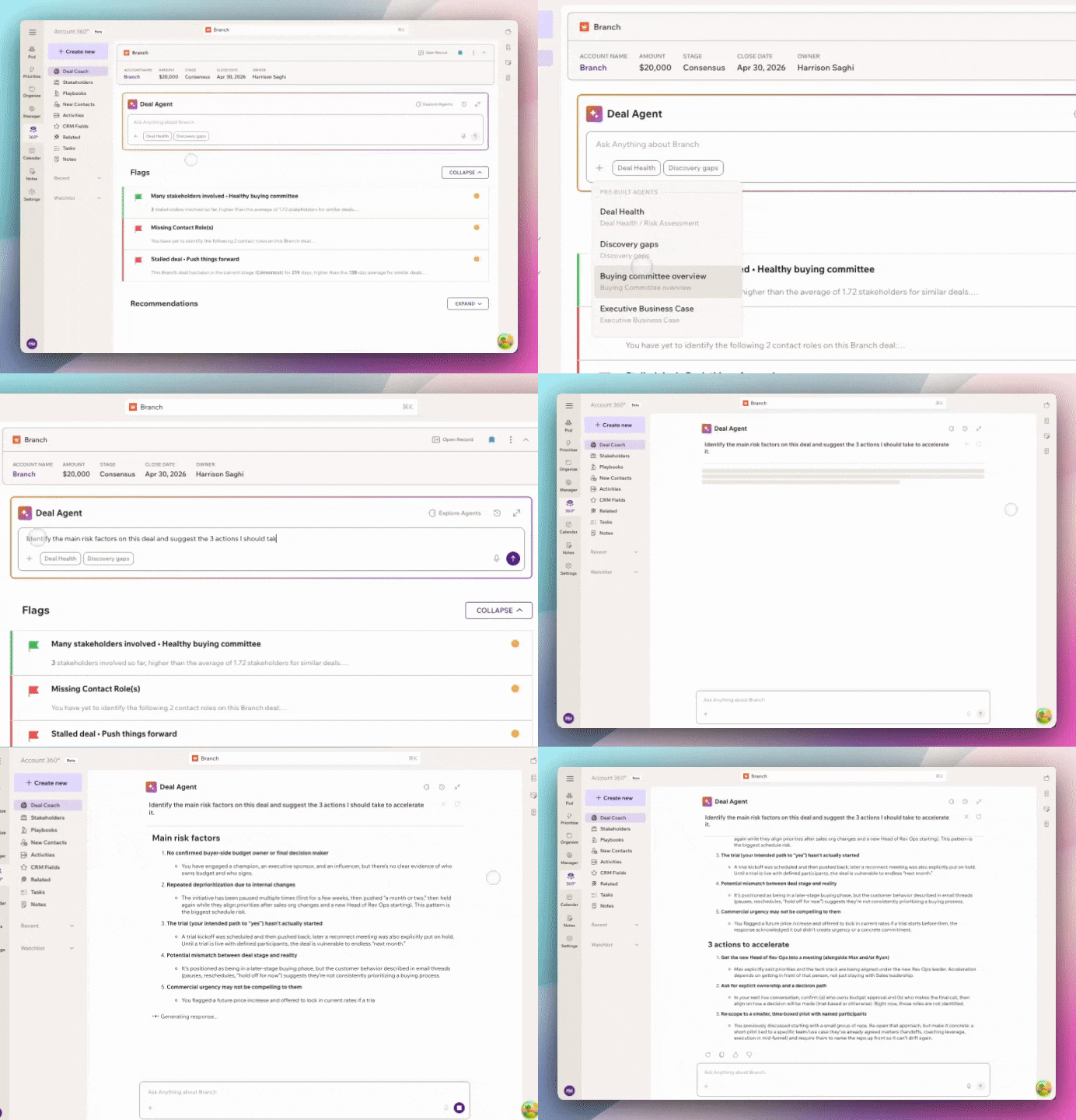
This is where tools like Pod’s stakeholder recommendations come in. By analyzing deal patterns and account data, you can surface roles and individuals that typically influence similar deals.
Instead of being surprised late in the cycle, you proactively bring the full committee into the process with AI intelligence.
Not all stakeholders care about the same outcomes.
If you treat them the same, your message will land with none of them. Tailor your conversations to what success looks like for each role.
A list of names is not enough. You need to understand influence.
Who trusts whom? Who has informal power? Who tends to challenge decisions?
A relationship map helps you see how information and opinions flow inside the account. Often, the most influential person is not the most senior one.
In multi-threaded deals, signals are scattered. One stakeholder is excited, another is hesitant, and a third has gone silent.
Tracking sentiment across interactions helps you spot risk early. Pod’s contact sentiment tools make this visible so you can act before small concerns become major objections.
Without this visibility, deals often stall without clear reasons.
A single deck will not win a multi-stakeholder deal.
You need to adapt your message depending on who you are speaking to. For example:
When each stakeholder feels understood, alignment becomes easier.
Your champion is still critical. Their role has simply evolved.
Equip them to represent you when you are not in the room. Give them concise summaries, tailored decks, and clear talking points they can share internally.
Make it easy for them to advocate on your behalf without needing to translate your message.
Ignoring blockers does not make them disappear. It gives them more time to build resistance.
Engage them early. Ask direct questions. Understand their concerns in detail.
Often, blockers are not opposed to your solution. They are protecting their priorities. Address those priorities directly, and you can turn resistance into alignment.
A deal without structure drifts.
A mutual action plan creates shared accountability. It outlines key milestones, decision points, and responsibilities on both sides.
When the entire committee agrees to the plan, it becomes easier to maintain momentum and avoid last-minute surprises.
Deals rarely fail suddenly. Engagement declines gradually.
By using deal intelligence tools like Pod’s deal coach, you can spot early warning signs such as reduced responsiveness or missing stakeholders.
If you want to go deeper, this is also a common theme in late-stage deal failures. See the breakdown here. Catching these signals early gives you time to re-engage the right people.
Executive alignment often determines whether a deal closes or stalls.
Do not leave this to chance. Schedule a focused session with senior stakeholders to confirm priorities, success criteria, and next steps.
This is your opportunity to ensure that the economic buyer is aligned and invested.
Many deals lose momentum after verbal agreement.
Legal and procurement phases can stretch timelines and reduce engagement. To prevent this, assign clear ownership for each stakeholder relationship.
Stay in touch with key contacts, share updates, and keep reinforcing value. A warm committee is far more likely to push the deal forward internally.
Generic follow-ups dilute your impact.
Instead, tailor your follow-up based on each stakeholder’s role and priorities. Use meeting insights to personalize your message.
For example:
Tools like Pod’s sales meeting briefs can help you capture insights and turn them into targeted follow-ups quickly.
Enterprise sales has shifted. It is no longer about convincing one person. It is about aligning many.
When you map stakeholders early, tailor your approach, and maintain visibility across the entire committee, you reduce risk and increase control.
If you want help identifying and engaging every stakeholder that matters, explore Pod’s stakeholder recommendations or book a demo to see how it works in your pipeline.
The reps who master committee selling are not just closing deals. They are building repeatable wins.


